


10 Essential Back-to-School Tips for a Successful Year (2026)
Ease back into class with our 10 essential back-to-school tips! Perfect for parents and kids aiming for a seamless and successful school year.
min read

Another school year is upon us! That means it’s time for some much-needed back-to-school tips.
Transitioning back to school can be a mix of excitement and anxiety. Not just for students, but the entire family.
We’re going to make sure that you and your children are set up for a successful school year.
Whether you’re a seasoned parent or are sending your little one off to kindergarten for the first time, these tips will make the new school year seem seamless.
So, grab a cup of coffee (or whatever you prefer), take a deep breath and read on to start planning!
10 Back-to-School Tips for Success
Below are our best back-to-school tips, where you’ll find helpful information for students, teachers and working parents.
1. Make a School-Supply Checklist
Preparing for school can be difficult.
Beyond buying new school clothes, there’s a whole list of items you will need to get for classes.
Some of the common school-supply items to look for include:
- Backpack
- Lunchbox or lunch bag
- Water bottle
- No. 2 pencils and erasers
- Pens (blue, black, and red)
- Highlighters
- Markers (washable)
- Composition notebooks
- Binders
- Colored pencils
- Crayons
- Sharpener
- Glue sticks or liquid glue.
- Scissors (safety scissors for younger students)
- Notebook paper (wide and college-ruled)
- Ruler (inches and centimeters)
- Hand sanitizer
- Gym clothes and shoes (if required)
- Headphones or earbuds
Here’s a good checklist from Good Housekeeping to keep for reference:

Action: Go through each one of your child’s classes, make a list and purchase all the supplies BEFORE the first day (if possible.)
2. Set Goals
Another thing to get accomplished before the first day is goal setting. What should your child strive for this year?
Of course, this is going to depend on your child’s age, grade level and interests.
We’ve broken down examples of goals you can set for your child based on age range:
Younger Kids (Elementary School Students)
- Have your child read for at least 30 minutes each day.
- Complete a creative project (like drawing) at least once a week.
- Encourage your child to join at least one consistent after-school activity.
Older Kids (Middle and High School Students)
- Target a specific subject that they struggle with and aim to improve their grades from the previous year.
- Join at least one club, sports team or musical group to develop new skills and make friends.
- Start visiting colleges (even in junior high!) so your child can start to think about what they want to do after high school.
- Volunteer a certain number of hours per semester. It looks great on a resume!
College Students
- Target a specific GPA you want to achieve.
- Get a planner and block out times for each class. Time management is SO crucial in college.
- Attend networking events or join professional organizations to make connections.

3. Establish a Steady Routine
A healthy routine is key, especially for young children in school.
Here is an example routine for inspiration, including nighttime, morning and after-school studying:
Night Prep (6:00 PM - 8:00 PM)
6:00 PM - 6:30 PM: Dinner time with family, emphasizing a balanced meal with vegetables, protein, and whole grains.
6:30 PM - 7:00 PM: After-dinner family activity, like a walk or trampoline exercise.
7:00 PM - 7:20 PM: Begin winding down with quieter activities, such as reading or puzzles, to signal the end of the day.
7:20 PM - 7:30 PM: Nightly hygiene routine including brushing teeth, washing face, and a warm bath if it's bath night.
7:30 PM - 7:45 PM: Quiet time in the bedroom, preparing clothes and school bag for the next day to reduce morning stress.
7:45 PM - 8:00 PM: Bedtime story or a calm discussion about the day, followed by lights out to ensure the child gets the recommended 9-11 hours of sleep.
Morning Routine (6:00 AM - 8:00 AM)
6:00 AM - 6:20 AM: Wake up and engage in a morning hygiene routine (brushing teeth and washing face.)
6:20 AM - 6:40 AM: Get dressed in the outfit picked out the night before.
6:40 AM - 7:00 AM: Enjoy a nutritious breakfast that includes a good balance of protein, whole grains, and fruit.
7:00 AM - 7:10 AM: Pack the lunchbox together, including last-minute items to ensure freshness.
7:10 AM - 7:30 AM: Review the day's schedule, including any after-school activities, to mentally prepare the child.
7:30 AM - 8:00 AM: Travel to school, whether it's by walking, cycling, or driving, making sure to leave with enough time to arrive calmly and without rush.
Study Habits (After School - 5:00 PM)
After School - 4:00 PM: Unwind with a snack and a brief period of outdoor play to transition from school to home.
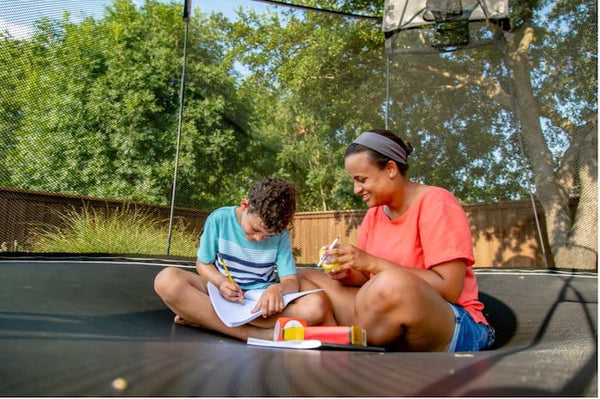
4:00 PM - 4:15 PM: Set up the study space, ensuring it’s quiet, well-lit, and free from distractions.
4:15 PM - 4:45 PM: Homework time, with a focus on challenging tasks first while your child’s mind is fresh.
4:45 PM - 5:00 PM: Reading time to foster literacy and comprehension skills.
4. Prep Healthy School Lunches
It’s important for growing children to get proper nutrition.
A back-to-school nutrition tip we have for you is meal-prepping.
Prepping your meals can help provide your child with lunches for the whole week without the stress of making it the day of.
Action: Choose a Saturday or Sunday to prep your child’s lunches for the week.
5. Craft a Study Area
As working parents know, having a comfortable place to work is crucial for success.
It’s the same with children. In a warm and comfortable environment, children will be more motivated to get their work done – and maybe even enjoy it too!
We love this study area, courtesy of Pinterest:

6. Have a Safe Plan for Transportation
Getting your kids to and from school is a chief concern among parents.
The American Red Cross gave some great school safety tips for safely getting your kids to school. Some of our favorites included:
- “When children are walking to school, they should only cross the street at an intersection, and use a route along which the school has placed crossing guards.”
- “If your student rides a bus to school, they should plan to get to their bus stop early and stand away from the curb while waiting for the bus to arrive.”
- “If a teenager is going to drive to school, parents should mandate that they use seat belts.”
Action: Before school starts, set a firm plan for transportation. Enforce that this must be followed. If walking, it’s best to always walk with a friend.
7. Encourage Extracurriculars
Extracurricular activities are vital to a child’s development socially, physically and mentally.
A study by the National Center for Education Statistics shows that participating in extracurricular activities is associated with “better attendance, higher levels of achievement, and aspirations to higher levels of education.”
Here are examples of extracurricular activities for kids:
- Sports: Soccer, basketball, swimming, gymnastics, martial arts, tennis, golf, and dance.

- Arts: Painting, drawing, sculpture, photography, and crafting classes.
- Music: Learning to play instruments, singing in a choir, or joining a band.
- Drama: Participating in theater groups, drama clubs, or acting workshops.
- Languages: Language classes, such as Spanish, French, Mandarin, or sign language.
- Science and Tech: Robotics clubs, coding workshops, science fairs, or astronomy clubs.
- Literature: Book clubs, reading groups, or creative writing workshops.
- Environmental Clubs: Gardening, recycling projects, or nature exploration groups.
8. Ensure Medical Information is Up to Date
A sneaky-important back-to-school tip is to make sure your child’s medical information is updated.
This includes:
- Updating vaccination or shot records.
- Getting a physical for sports.
- Having a doctor on file.
- Informing the school of any medication your child may need during the school day.
- Letting the school know of any pre-existing medical conditions that might require support.
9. Set Up Alerts from Your School
Nowadays, most schools will send updates via email, text message or social media.
It’s important to set up alerts from your school so you can stay up to date with the latest news – like school closures or event reminders.
10. Stay Positive
The school year can be stressful for children and parents alike.
During times of inevitable stress, it’s important to remain positive with your child.
Studies have shown that being positive can lead to better performance for children.
A study by the Stanford University School of Medicine found that positivity can lead to better math scores, increased memory and problem-solving enhancement.

Looking for a Healthy After-School Activity?
Getting back into the school routine can be challenging.
Hopefully, our back-to-school tips filled you with ideas and inspiration to make this school year the best one yet.
At Springfree Trampoline, providing children with the joy of playing outside is our essence.
We created the world’s safest Trampolines because we wanted children to experience the thrill of jumping without worrying about injuries.
Trampoline jumping has many health benefits for kids of all ages, including:
- Improved heart health.
- Enhanced joint health.
- Balance and coordination development.
- Weight management.
- Improved focus and mood.
(Adults can benefit too!)
If you’re looking for a home activity for your child that gets them away from the screen, check out the benefits of Springfree Trampoline.
